
A strong, healthy body doesn’t always require expensive memberships, crowded workout spaces, or advanced gym machines. Many people assume fitness is only possible inside a gym, but the truth is far simpler: your body is the best workout tool you already have. With the right habits, discipline, and consistency, you can stay fit, energetic, and healthy without ever stepping into a gym.
Modern lifestyles are often busy, and not everyone has the time or resources to go to a fitness center. The good news is that staying fit at home, outdoors, or even during daily routines is completely possible. Fitness is more about movement and lifestyle choices than a specific location.
Table of Contents
ToggleUnderstanding What Fitness Really Means
Before jumping into exercises, it’s important to understand what “being fit” actually means. Fitness is not only about having visible muscles or losing weight. It includes several key elements:
- Good cardiovascular health
- Muscle strength and endurance
- Flexibility and mobility
- Healthy body weight
- Mental well-being
A complete fitness routine should support all these areas. This can be achieved without gym equipment if you follow a balanced approach.
Start with Bodyweight Exercises
One of the most effective ways to stay fit without a gym is through bodyweight training. These exercises use your own body as resistance, making them simple yet powerful.
Some excellent bodyweight exercises include:
- Push-ups for chest, arms, and shoulders
- Squats for legs and glutes
- Planks for core strength
- Lunges for balance and lower body strength
- Burpees for full-body conditioning
The best part is that you can do these exercises anywhere—your bedroom, rooftop, or even a park. Over time, you can increase repetitions or try advanced variations to continue challenging your body.
Walking as a Powerful Fitness Habit
Walking is often underestimated, but it is one of the most effective ways to stay active. A daily walking routine improves heart health, burns calories, and reduces stress.
You don’t need special equipment or training. Just 30–60 minutes of brisk walking each day can make a big difference. If possible, choose natural surroundings like parks, fields, or quiet roads to make the experience more refreshing.
Walking after meals also helps improve digestion and keeps your metabolism active.
Home Workouts with Simple Routines
Home workouts are becoming increasingly popular because they are flexible and easy to follow. You can create a simple routine that targets different parts of your body on different days.
For example:
- Day 1: Upper body exercises
- Day 2: Lower body exercises
- Day 3: Core and abs
- Day 4: Full-body workout or rest
Even 20–30 minutes per session is enough if done consistently. The key is not intensity alone, but regularity.
Skipping Rope for Cardio Fitness
Skipping rope is one of the most effective cardio exercises you can do at home. It improves heart health, burns calories quickly, and enhances coordination.
Just 10–15 minutes of skipping can provide the same benefits as longer cardio sessions. It is especially useful for people who want to lose weight or improve stamina without going to the gym.
Using Household Items for Exercise
You don’t need expensive equipment to train your muscles. Everyday household items can be surprisingly useful.
For example:
- Water bottles can act as light dumbbells
- Chairs can be used for triceps dips
- Backpacks filled with books can add resistance
- Walls can support balance exercises
This creative approach makes home workouts more practical and accessible.
Staying Active Throughout the Day
Fitness is not limited to workout time. Your daily activity level matters just as much. Small lifestyle changes can keep you active even without structured exercise.
Try these habits:
- Take stairs instead of elevators
- Stand and stretch every 30–60 minutes
- Do light stretching while watching TV
- Walk while talking on phone calls
- Do household chores actively
These small movements add up and significantly improve overall fitness.
Importance of Flexibility and Stretching
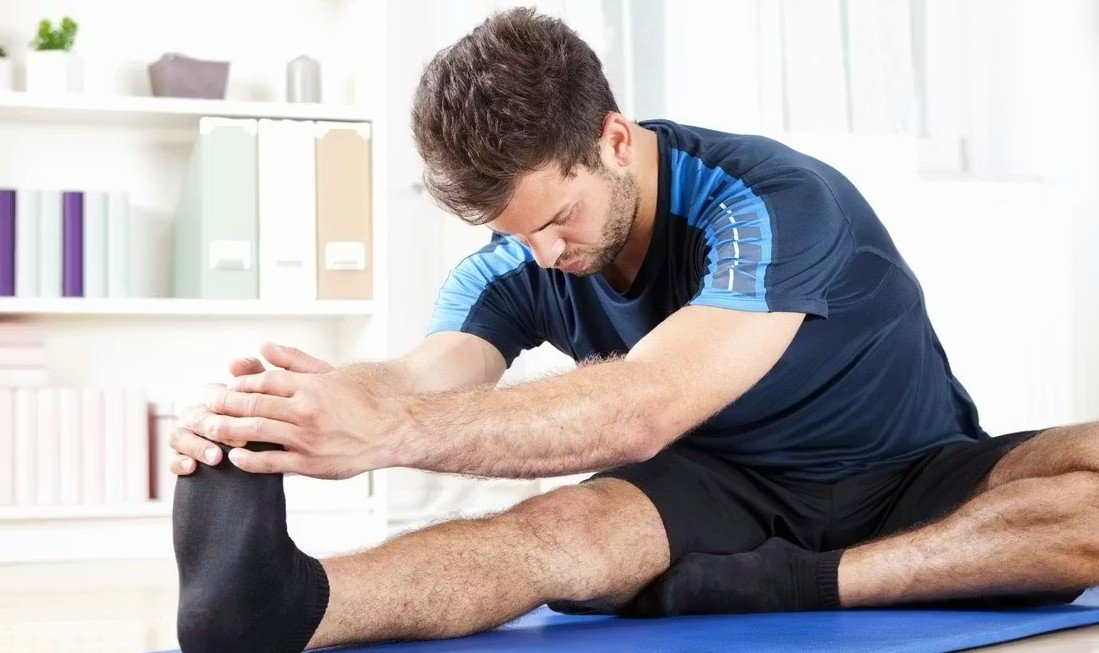
Many people ignore flexibility, but it is essential for long-term health. Stretching improves mobility, reduces injury risk, and helps muscles recover faster.
Simple stretches include:
- Neck stretches
- Shoulder rolls
- Hamstring stretches
- Yoga poses like downward dog or child’s pose
Practicing stretching for just 10 minutes a day can improve posture and reduce body stiffness.
Eating Healthy to Support Fitness
No fitness routine is complete without proper nutrition. What you eat plays a major role in your energy levels, body weight, and muscle health.
Focus on:
- Fresh fruits and vegetables
- Whole grains like rice, oats, or brown bread
- Protein sources like eggs, fish, lentils, and chicken
- Drinking enough water
- Reducing processed and sugary foods
Eating healthy does not mean strict dieting. It means making smarter choices consistently.
Getting Enough Rest and Sleep
Rest is often ignored, but it is just as important as exercise. During sleep, your body repairs muscles and restores energy.
Adults should aim for 7–9 hours of quality sleep each night. Poor sleep can lead to fatigue, weight gain, and reduced performance, even if you exercise regularly.
Staying Motivated Without a Gym Environment
One challenge of home fitness is staying motivated. Without trainers or gym partners, people often lose consistency. To avoid this:
- Set small, realistic goals
- Track your progress weekly
- Follow online workout videos
- Create a fixed routine schedule
- Reward yourself for consistency
Motivation grows when you see progress over time.
Conclusion
Staying fit without going to the gym is not only possible but also highly effective when done correctly. Fitness is not defined by machines or locations—it is defined by habits, movement, and discipline.
With bodyweight exercises, daily walking, skipping rope, home workouts, and a healthy diet, anyone can build a strong and active lifestyle. The key is consistency, not perfection.
You don’t need a gym to take care of your body. You only need commitment, awareness, and the willingness to move every day.
