
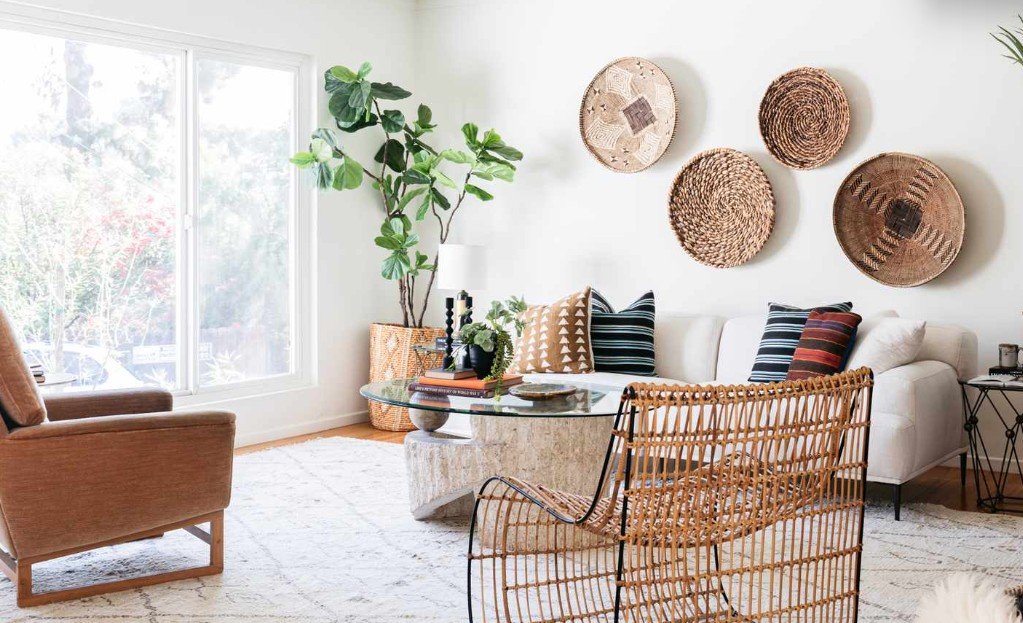
A small room does not have to feel cramped or uncomfortable. With the right furniture arrangement, even the tiniest space can become stylish, practical, and inviting. Many people believe they need a larger home to enjoy comfort, but smart planning often matters more than square footage. The way furniture is placed affects movement, lighting, storage, and the overall mood of a room. A few thoughtful changes can completely transform a tight area into a cozy and functional living space.
Whether you live in a small apartment, studio, dorm room, or compact house, learning how to arrange furniture properly can help maximize every inch. From choosing multi-purpose pieces to improving traffic flow, there are many simple techniques that make a room appear bigger and more organized.
Table of Contents
ToggleStart With a Clear Layout Plan
Before moving furniture around, take time to study the room. Measure the dimensions and note the location of doors, windows, and electrical outlets. Understanding the available space prevents overcrowding and helps create a balanced arrangement.
Sketching a rough floor plan can also help visualize where each item should go. Avoid placing large furniture randomly because it may block movement and make the room feel smaller.
Choose Multi-Functional Furniture
One of the best solutions for small rooms is furniture that serves more than one purpose. Multi-functional pieces save space while increasing practicality.
Examples include:
- Sofa beds for guests
- Storage ottomans
- Foldable dining tables
- Beds with built-in drawers
- Nesting tables
These items reduce clutter and eliminate the need for extra furniture. A compact room benefits greatly from furniture that combines storage and usability.
Keep Furniture Away From Walkways
A crowded walkway makes a small room feel uncomfortable. Arrange furniture in a way that allows smooth movement throughout the space. Leave enough room between major pieces so people can walk freely without bumping into corners or edges.
Avoid placing bulky furniture directly near entrances because it creates a blocked and heavy appearance. Instead, keep pathways open and airy.
Use Vertical Space Wisely
When floor space is limited, think vertically. Tall bookshelves, floating shelves, and wall-mounted cabinets provide extra storage without occupying valuable floor area.
Vertical storage helps keep items organized while drawing the eye upward, making the room appear taller. Hanging shelves above desks, beds, or sofas is a smart way to maximize unused wall space.
Position Large Furniture First
Start arranging the room by placing the largest furniture piece first. In most living rooms, this may be the sofa, while in bedrooms it is usually the bed.
Positioning the main furniture properly creates a strong focal point and helps organize the remaining items more efficiently. Place larger pieces against walls whenever possible to free up central space.
However, avoid pushing every item tightly against the wall. Sometimes leaving a small gap creates a more open and balanced appearance.
Use Light Colors and Mirrors
Furniture arrangement works best when combined with visual tricks that make a room look larger. Light-colored furniture and walls reflect more light, creating a brighter and more spacious feeling.
Mirrors are especially effective in small rooms. Placing a mirror opposite a window reflects natural light and gives the illusion of extra depth. Even a compact room can feel significantly larger with proper mirror placement.
Avoid Too Much Furniture
Many people overcrowd small rooms by trying to fit too many items into the space. Minimalism often works better in compact areas.
Instead of several small chairs or tables, choose a few functional pieces that provide comfort without filling the room completely. Every piece of furniture should have a purpose.
Removing unnecessary items instantly improves openness and makes cleaning easier as well.
Create Zones in Multi-Purpose Rooms
Small homes often require one room to serve multiple functions. A living room may also act as a workspace or dining area.
To organize the room effectively, create separate zones using furniture placement. A small rug, bookshelf, or sofa can divide areas naturally without needing walls.
For example:
- Place a desk near a window for a work corner
- Use a rug to define the seating area
- Separate dining and living spaces with a narrow console table
This method keeps the room organized and visually appealing.
Take Advantage of Corners
Corners are frequently overlooked in small rooms. Proper use of corner space can improve both storage and functionality.
Corner shelves, corner desks, and L-shaped sofas fit neatly into unused areas. A reading chair with a small lamp can also turn an empty corner into a cozy relaxation spot.
Using corners wisely frees up central floor space and improves room balance.
Select Furniture With Visible Legs
Furniture with exposed legs creates a lighter appearance because more floor becomes visible underneath. Sofas, chairs, and tables with raised legs help a room feel less crowded compared to bulky furniture that sits directly on the floor.
Glass tables are another excellent option because they visually occupy less space while remaining functional.
Focus on Proper Lighting
Good lighting can dramatically improve the appearance of a small room. Dark corners make spaces feel tighter and smaller.
Use multiple light sources instead of relying on one ceiling fixture. Floor lamps, wall sconces, and table lamps create warmth and depth. Natural light should also remain unobstructed whenever possible.
Avoid placing large furniture directly in front of windows because it blocks sunlight and reduces openness.
Keep Storage Hidden and Organized
Clutter quickly overwhelms a small room. Hidden storage solutions help maintain a clean and spacious environment.
Use:
- Under-bed storage boxes
- Storage benches
- Decorative baskets
- Floating cabinets
- Hidden compartments
Keeping surfaces clean and organized creates a calm atmosphere and improves the room’s visual flow.
Experiment Until It Feels Right
Furniture arrangement is not always perfect on the first try. Small adjustments can make a big difference in comfort and appearance.
Try different layouts and observe how the room feels. Pay attention to movement, lighting, and overall balance. Sometimes rotating a sofa or moving a table a few inches can improve the entire space.
Do not be afraid to rearrange furniture occasionally to refresh the room and discover better configurations.
Conclusion
Decorating a small room requires creativity, planning, and smart furniture choices. The goal is not simply fitting furniture into the space, but creating a comfortable and functional environment that feels open and welcoming.
By using multi-purpose furniture, maximizing vertical storage, maintaining clear walkways, and reducing clutter, even the smallest room can become stylish and practical. Proper furniture arrangement improves both appearance and daily living, proving that limited space does not have to limit comfort or beauty.
With thoughtful planning and a few simple changes, any small room can feel larger, brighter, and more enjoyable to live in.
