
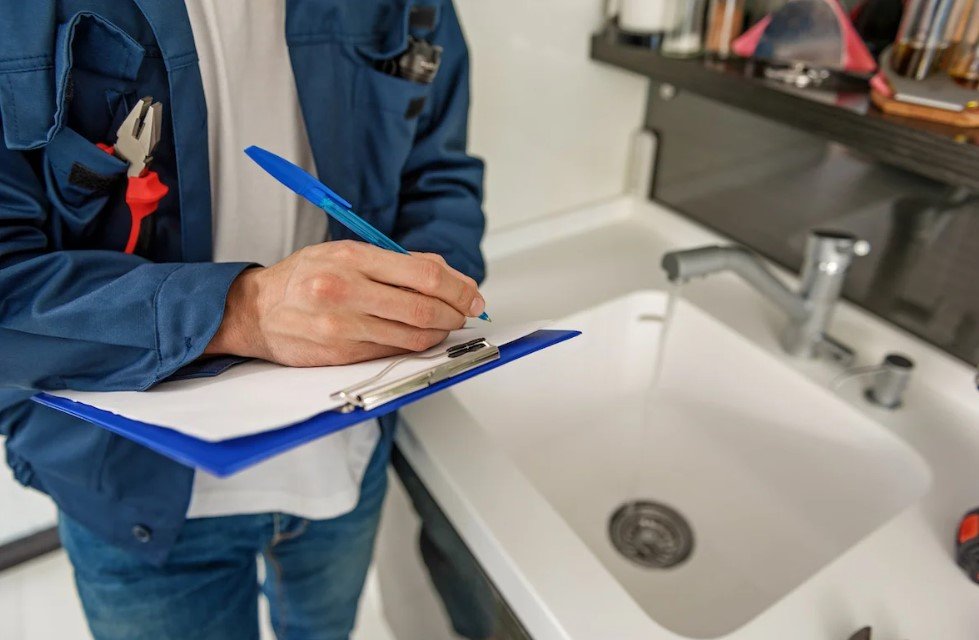
Finding safe and affordable housing can be challenging for families with limited incomes. The Section 8 Housing Choice Voucher Program helps eligible households afford rental homes, but participating properties must meet certain housing quality standards. This is where inspections become an important part of the process. If you are wondering What is the inspection of Section 8 housing is, it refers to the evaluation performed to determine whether a rental property meets required health, safety, and habitability standards before or during participation in the program.
Understanding how these inspections work can help tenants, landlords, and property managers prepare for the process and avoid unnecessary delays.
What Is the Inspection of Section 8 Housing?
The Section 8 housing inspection is a review of a rental unit to make sure it is safe, sanitary, and suitable for occupancy. The inspection is generally arranged through the local Public Housing Agency (PHA) responsible for administering the voucher program.
An inspector examines important areas of the home, including electrical systems, plumbing, heating, structural components, windows, doors, and general living conditions. The purpose is not simply to evaluate how attractive a property looks. Instead, the focus is on whether the home provides a safe and functional environment.
Depending on the circumstances, an inspection may happen before a tenant moves into a property, when a landlord initially joins the program, or periodically afterward.
Why Are Section 8 Inspections Required?
Housing assistance is designed to help families obtain decent housing, not merely inexpensive housing. Inspections help ensure that public housing assistance is used for properties that meet established quality requirements.
A property may have an affordable rent but still present serious hazards. Problems such as exposed wiring, broken windows, unsafe stairs, inadequate heating, or plumbing failures can affect a tenant’s health and safety.
Inspections therefore protect both sides of the rental agreement. Tenants receive additional assurance that their assisted home meets required standards, while landlords receive clear expectations about maintaining the property.
What Does a Section 8 Inspector Check?
A Section 8 inspection can cover many parts of a rental property. Common inspection areas include:
1. Electrical Systems
Inspectors may look for exposed or damaged wiring, unsafe outlets, missing electrical covers, and other potentially dangerous conditions. Electrical fixtures should generally be installed and maintained safely.
2. Plumbing
Sinks, toilets, showers, and other plumbing fixtures may be examined for leaks and proper operation. The home should have functioning water and sanitation facilities.
3. Heating and Cooling
The property must have appropriate heating equipment capable of keeping the home adequately heated when required. Inspectors may also identify unsafe heating equipment or related hazards.
4. Doors and Windows
Doors and windows should operate properly and provide reasonable security. Broken glass, damaged frames, or doors that cannot close correctly may create safety concerns.
5. Floors, Walls, and Ceilings
Inspectors may identify significant structural damage, holes, loose surfaces, or other conditions that could create hazards. The property should be maintained in a condition suitable for normal occupancy.
6. Smoke and Carbon Monoxide Detectors
Required life-safety devices should be installed and functioning properly according to applicable requirements. Missing or defective detectors can result in inspection problems.
7. General Health and Safety
The inspector may also consider issues such as pests, excessive moisture, unsafe stairs or railings, blocked exits, and other conditions that could threaten residents.
What Happens During a Section 8 Inspection?
The process generally begins when the PHA schedules an inspection. The landlord or property representative may need to provide access to the entire unit and relevant areas of the property.
During the inspection, the inspector evaluates the home’s condition. If the property satisfies the applicable requirements, the process can continue. If problems are discovered, the landlord may be given a deadline to correct them.
The exact procedure and inspection standards can vary depending on the PHA and the rules applicable to the housing program. Therefore, landlords and tenants should follow instructions provided by their local housing authority.
What Happens If a Property Fails?
A failed inspection does not necessarily mean that a tenant will immediately lose housing assistance. In many situations, the landlord is given an opportunity to correct the identified deficiencies and request another inspection.
The timeline for repairs can depend on the seriousness of the problem. Minor issues may have a different correction period than serious health or safety hazards.
Landlords should address inspection notices promptly and communicate with the PHA when repairs are completed. Tenants should also report maintenance problems rather than allowing potentially dangerous conditions to remain unresolved.
How Landlords Can Prepare for an Inspection
Preparation can make the inspection process smoother. Before the inspector arrives, landlords should conduct a basic walkthrough of the property.
Check that:
- Smoke and carbon monoxide detectors are functioning where required.
- Plumbing fixtures operate properly and do not have significant leaks.
- Electrical outlets and switches appear safe and properly covered.
- Doors and windows open, close, and lock appropriately.
- Stairs and handrails are secure.
- Heating equipment works properly.
- There are no obvious pest infestations.
- Walkways and exits are not blocked.
- Significant holes, damaged surfaces, or other safety hazards have been repaired.
Keeping the property maintained throughout the year is generally better than waiting until an inspection is scheduled.
How Tenants Can Prepare
Tenants can also play an important role. Keep the home reasonably clean and accessible so the inspector can examine necessary areas. Report serious maintenance problems to the landlord as soon as they are noticed.
If the landlord is responsible for a repair, document the request and keep copies of relevant communications. This can be useful if an unresolved maintenance issue affects the inspection.
Tenants should also cooperate with scheduled inspections and follow instructions from their local PHA.
How Often Are Section 8 Homes Inspected?
Inspection frequency can vary according to the applicable program rules and local housing authority procedures. A property may undergo an initial inspection and later inspections or reviews designed to confirm that it continues to meet housing quality requirements.
Changes in federal program requirements can also affect inspection procedures over time. For that reason, the local PHA is the best source for current requirements and scheduling information.
Final Thoughts
Knowing What is the inspection of Section 8 housing helps both renters and property owners understand an important part of the voucher process. The inspection is primarily designed to confirm that an assisted rental home is safe, functional, and suitable for occupancy.
For landlords, regular maintenance and early repairs can reduce inspection problems. For tenants, promptly reporting unsafe conditions and cooperating with the housing authority can help protect their housing. While specific requirements may differ by location and program, the overall goal remains the same: ensuring that Section 8 participants have access to housing that meets appropriate health and safety standards.
