
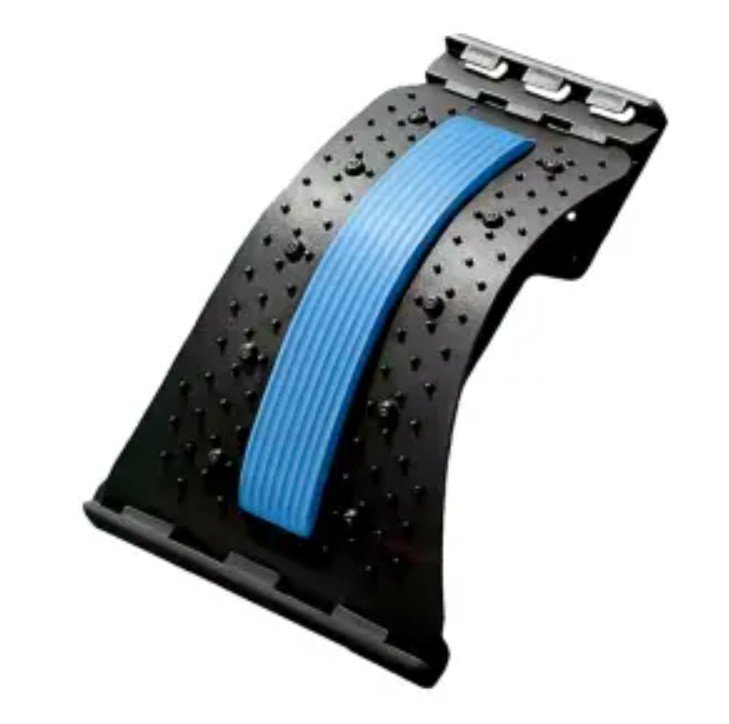
Millions of people live with chronic back and neck pain — and for many, the cause lies within the spine itself. Compressed discs, pinched nerves, and misaligned vertebrae are behind a staggering number of pain complaints, yet they often go untreated beyond basic painkillers or rest. That’s where a more targeted approach makes all the difference. Spinal traction devices have emerged as a practical, evidence-informed solution for those seeking lasting relief without surgery or heavy medication.
In this article, we’ll explore how these devices work, what conditions they address, and how to choose the right one — whether you’re considering home use or want to better understand what your physiotherapist may already be recommending.
Key Takeaways
- Spinal traction applies a controlled stretching force to relieve disc pressure and nerve compression
- Devices range from cervical neck traction units to full lumbar decompression systems
- Regular, guided use can reduce pain, restore mobility, and support disc recovery
- Home-use devices offer a cost-effective complement to professional spinal care
- Not all conditions are suitable for traction — always seek a medical assessment first
What Are Spinal Traction Devices and How Do They Work?
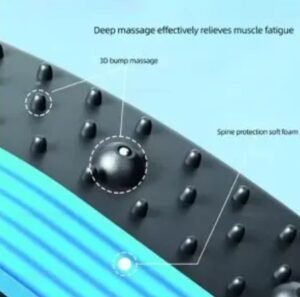
Spinal traction devices are tools designed to gently elongate the spine by applying a controlled pulling force to specific vertebral regions. This stretching action creates negative pressure within the intervertebral discs — the cushioning structures between each vertebra — which can draw herniated or bulging disc material back toward its natural position and relieve pressure on surrounding nerves.
The mechanism also promotes fluid exchange within the discs. Healthy discs rely on adequate hydration to function as shock absorbers. Over time, compression from gravity, poor posture, and physical strain depletes this fluid. Traction temporarily reverses this process, supporting disc nutrition and resilience.
Spinal traction is broadly divided into two categories:
- Cervical traction – Targets the neck and upper spine; commonly used for neck stiffness, cervical disc issues, and tension headaches
- Lumbar traction – Focuses on the lower back; often recommended for sciatica, herniated discs, and degenerative disc disease
Devices themselves range from simple over-the-door cervical units and inflatable neck collars to motorised lumbar traction tables and pneumatic decompression belts. The right type depends entirely on the affected region and the severity of the condition.
Which Conditions Can Benefit from Spinal Traction?
Spinal traction is not a one-size-fits-all solution, but research and clinical practice consistently identify a range of conditions where it can offer meaningful support:
Herniated or Bulging Discs Perhaps the most widely recognised application. Traction reduces the compressive load on the disc, potentially allowing displaced material to retract and easing nerve irritation in the process.
Sciatica Sciatic nerve pain — which radiates from the lower back through the buttocks and down the leg — is often caused by lumbar disc pressure. By decompressing the relevant vertebral segments, lumbar traction can reduce the nerve impingement driving this pain.
Degenerative Disc Disease As discs thin and lose elasticity with age, traction helps maintain joint spacing and supports residual disc hydration. While it cannot reverse degeneration, it can meaningfully manage associated pain and stiffness.
Cervical Spondylosis and Neck Pain Cervical traction has long been used to address neck stiffness, upper back tension, and discomfort associated with age-related changes to the cervical spine.
Post-Surgical Recovery (with medical supervision) In some cases, traction may be incorporated into a rehabilitation programme following spinal procedures — always under direct clinical guidance.
It is equally important to note conditions where traction is not appropriate: osteoporosis, spinal instability, active infections, tumours, pregnancy, or recent fractures. A proper medical assessment before beginning any traction programme is non-negotiable.
Home Use vs. Clinical Traction: What’s the Difference?
Spinal traction was once exclusively a clinical treatment, delivered via motorised tables in physiotherapy or chiropractic settings. Today, advances in design have made reliable home-use devices widely accessible — but understanding the difference matters.
Clinical traction uses computer-controlled motorised systems capable of applying precise, cyclical forces across the full spine. Therapists monitor the session in real time and adjust parameters based on patient response. This level of precision is particularly valuable for acute or complex cases.
Home traction devices are designed for simplicity, safety, and everyday use. They typically apply gentler, more static forces and are best suited for maintenance, mild-to-moderate symptoms, or as a complement to professional treatment. Popular home options include:
- Over-the-door cervical traction kits (lightweight and affordable)
- Inflatable lumbar traction belts (portable and easy to use)
- Inversion tables (offer full spinal decompression through gravity)
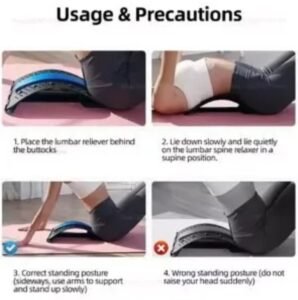
- Decompression back stretchers (passive and beginner-friendly)
For those managing ongoing spinal conditions, home devices offer the invaluable benefit of daily consistency — something clinic appointments simply cannot provide at the same frequency or cost.
How to Choose the Right Device for Your Needs
With so many options on the market, selecting the right spinal traction device requires careful consideration. Here are the most important factors to evaluate:
Target Region Be clear about where your pain originates. Cervical and lumbar devices are fundamentally different, and using the wrong type will yield little benefit — or potentially cause harm.
Adjustability and Force Control The ability to customise traction intensity is essential. A device with fixed force settings is far less versatile than one allowing gradual, incremental adjustment as your tolerance builds.
Build Quality and Safety Look for robust construction, clear usage guidelines, and — where possible — endorsements from physiotherapists or certifications from recognised safety bodies.
Ease of Use Consistency is what produces results. Choose a device you’ll genuinely use daily, not one that requires a complex setup each time.
Medical Guidance Ideally, any device selection should be discussed with a physiotherapist or spine specialist who understands your diagnosis and can recommend appropriate force levels and session durations.
Frequently Asked Questions (FAQ)
Are spinal traction devices safe to use without supervision?
Many home devices are designed for safe independent use by healthy adults. However, anyone with a diagnosed spinal condition should consult a healthcare professional before starting. Start with the lowest settings and increase gradually.
How long does a typical traction session last?
Most guidelines recommend sessions of 10 to 20 minutes for home use. Clinical sessions may be longer. Frequency typically begins at once daily and is adjusted based on response.
Can spinal traction provide permanent relief?
Traction can offer significant and lasting pain reduction, particularly when combined with physiotherapy, core strengthening, and postural improvement. It is most effective as part of a broader spinal health strategy rather than a standalone cure.
Is cervical traction different from lumbar traction?
Yes — both in device design and mechanism. Cervical traction targets the neck and is usually applied via pulleys, collars, or door-mounted systems. Lumbar traction focuses on the lower back and uses belts, tables, or inversion to decompress the lumbar discs.
What is the difference between traction and decompression?
The terms are often used interchangeably, but spinal decompression usually refers to the broader category (including surgical options), while traction specifically describes the mechanical application of a pulling force. Non-surgical traction is a form of decompression therapy.
Conclusion
The spine supports everything — movement, posture, and the entire nervous system. Taking care of it proactively is one of the most valuable investments you can make in your long-term health. With the right guidance and the right equipment, spinal traction devices offer a credible, non-invasive path to reduced pain, improved mobility, and better spinal function overall.
Whether you’re managing a specific diagnosis or simply looking to counteract the daily wear that modern life places on your back, traction therapy is worth understanding — and potentially integrating into your routine.
