
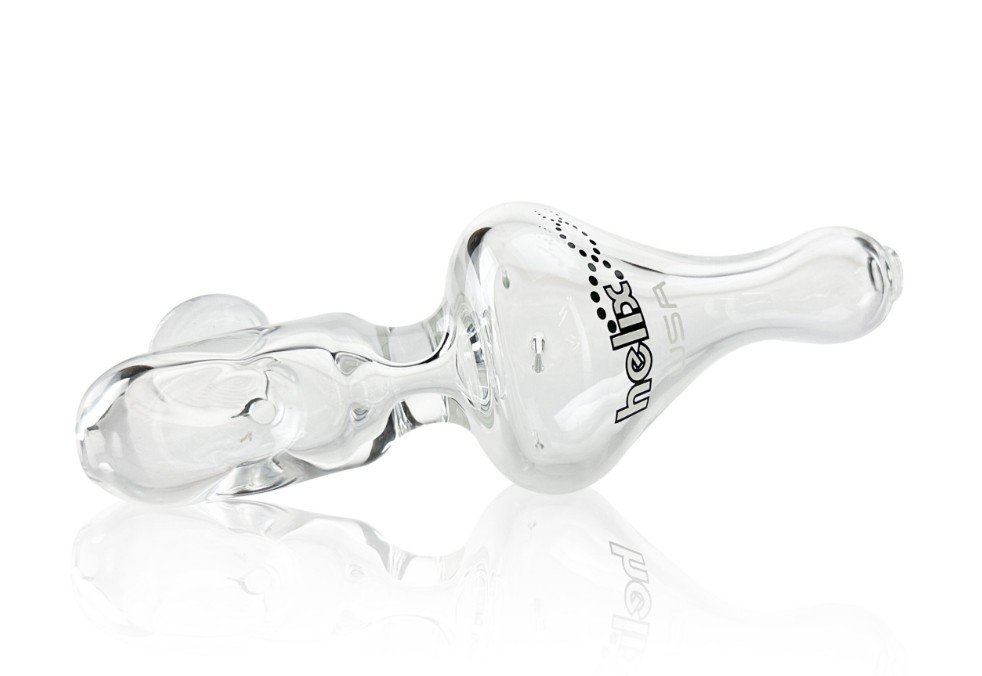
When it comes to choosing the right smoking pipe, the options can feel overwhelming — especially if you’re new to the world of glass pieces. One comparison that comes up again and again among enthusiasts and retailers alike is helix glass pipes vs regular pipes. Both have their loyal fans, but they work very differently and deliver a noticeably different experience. Whether you’re stocking a shop, buying your first piece, or simply curious about the technology behind these designs, this guide breaks down everything you need to know in clear, practical terms.
Key Takeaways
- Helix pipes use a unique vortex airflow system that cools smoke before it reaches your lips
- Regular pipes are simpler in design, more affordable, and easier to maintain
- Helix pipes typically produce smoother, cooler hits due to the spinning airflow effect
- Both styles are available in borosilicate glass, but helix pipes are more complex to manufacture
- The right choice depends on your priorities: smoothness and novelty vs. simplicity and value
- Helix pipes are generally better suited for experienced users; regular pipes are ideal for beginners
What Are Helix Glass Pipes vs Regular Pipes — and How Do They Differ?
At their core, both helix and regular glass pipes serve the same purpose: delivering smoke from a bowl to your mouth. The fundamental difference lies in how the smoke travels through the pipe.
A regular pipe (also called a spoon pipe or standard hand pipe) has a straightforward design — a bowl where you pack your material, a carb hole on the side, and a simple straight or slightly curved channel leading to the mouthpiece. The smoke travels in a direct path with minimal filtration or cooling. These pipes have been around for decades and remain popular for good reason: they’re simple, durable, and easy to use.
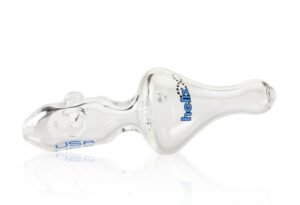
A helix pipe, on the other hand, features a specially engineered chamber with small angled air holes — typically three — positioned around the neck of the pipe. As you draw smoke through, these holes pull in fresh air and create a spinning vortex effect inside the chamber. This tornado-like motion slows the smoke down, allowing it more time to cool before it reaches your mouth. The visual of the spinning smoke is also part of the appeal — it’s genuinely satisfying to watch.
The Smoking Experience — Smoothness, Flavor, and Temperature
This is where helix pipes really distinguish themselves. Because the vortex motion effectively cools the smoke mid-flight, many users report significantly smoother hits compared to a standard pipe. There’s less harshness on the throat and lungs, which makes longer or more relaxed sessions more comfortable.
Regular pipes, while perfectly functional, deliver smoke that is warmer and more direct. This isn’t necessarily a drawback — some users actually prefer the fuller, warmer pull of a traditional spoon pipe because it can feel more intense and immediate.
From a flavor perspective, the cooler temperature produced by helix pipes may allow you to taste the material more clearly, since heat can sometimes mute subtle notes. Regular pipes deliver flavor more straightforwardly, without the additional air mixing introduced by the vortex holes.
It’s also worth noting that the extra air introduced by helix pipes can slightly dilute the density of each hit. For users who prioritize maximum potency per draw, a regular pipe may actually be preferable.
Build Quality, Durability, and Price Points
Both types are commonly made from borosilicate glass, the same heat-resistant material used in laboratory equipment and high-quality cookware. This makes them durable, easy to clean, and resistant to thermal shock.
However, helix pipes are considerably more complex to manufacture. The precision drilling of the angled air holes and the shaping of the vortex chamber require more skilled craftsmanship, which is reflected in the price. A quality helix pipe typically costs two to four times more than a comparable regular pipe.
Regular pipes come in an enormous range of shapes, sizes, and price points — from budget-friendly options under €15 to artisan pieces that can cost hundreds. This accessibility makes them a natural starting point for new users or retailers looking to stock a broad inventory.
For retailers and shop owners, both categories have a clear place: regular pipes drive high-volume, low-barrier sales, while helix pipes position well as premium items with higher margins and strong word-of-mouth appeal among enthusiasts.
FAQ
Which Pipe Is Right for You?
Choosing between a helix pipe and a regular pipe ultimately comes down to a few key questions:
Do you prioritize smoothness?
If you find standard pipes too harsh on the throat, a helix pipe is worth the investment. The cooler, vortex-cooled smoke makes a noticeable difference, especially in longer sessions.
Are you a beginner?
Start with a regular pipe. They’re intuitive to use, easy to clean, and widely available. You can always upgrade once you know what you want from a smoking experience.
Do you enjoy the visual and novelty factor?
Helix pipes are genuinely fun to watch in action. The spinning smoke effect is a conversation starter and adds an element of experience that regular pipes simply can’t replicate.
What’s your budget?
Regular pipes offer excellent value at every price point. Helix pipes are a worthwhile splurge if smoothness is a priority, but they’re not essential for a great experience.
Conclusion
Both helix glass pipes and regular pipes have earned their place in the market — and for good reason. Regular pipes win on simplicity, affordability, and accessibility, making them the go-to choice for everyday use and new users. Helix pipes offer a genuinely different experience: cooler, smoother hits and a visual spectacle that sets them apart.
Understanding the practical differences between the two helps you make a smarter purchase — or, if you’re a retailer, build a more informed product range. As with most things in the world of glass, the best pipe is the one that fits your preferences, your budget, and the experience you’re looking for.
